Sausage Season: A Guide to House-Made Links from Independent Butchers
Explore house-made sausages from independent butchers — popular styles, what makes a great link, and tips for cooking and storage.
By The Neighborhood Butchers Editors · July 8, 2026
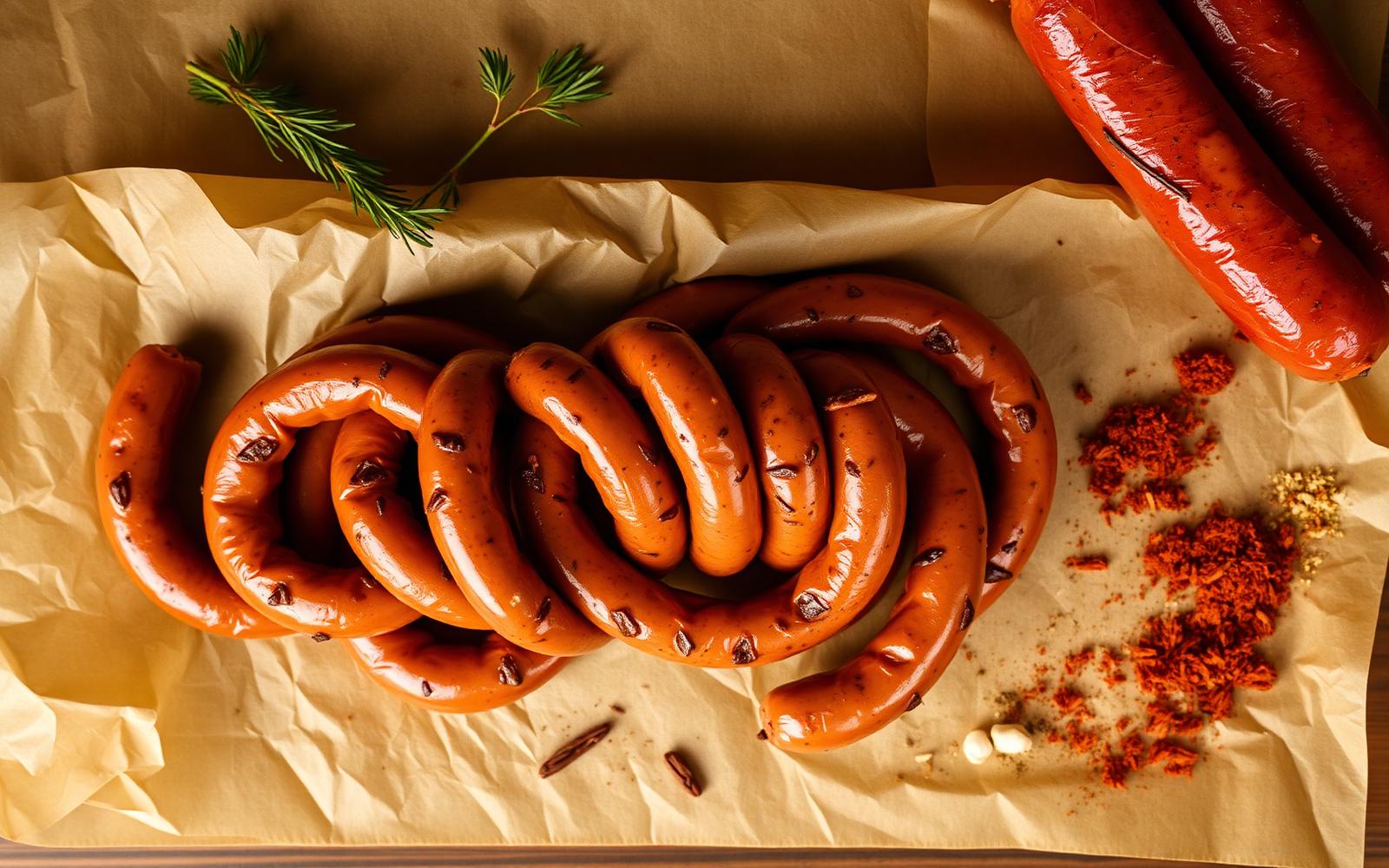
The Craft of the Link: Why Independent Butchers Excel
Independent butcher shops are hubs of culinary craftsmanship, and their house-made sausages are a prime example. Moving beyond mass-produced options, these butchers utilize high-quality meats and meticulously developed spice blends.
Popular Sausage Styles
- Bratwurst: German classic — pork/veal, mild seasoning with caraway and marjoram. Grill or pan-fry.
- Kielbasa: Polish — pork, garlic, marjoram. Often smoked; grill, boil, or bake.
- Italian Sausage: Sweet, mild, or hot. Pork with fennel, garlic, sometimes red pepper. Versatile.
- Andouille: Spicy, smoky, French/Louisiana Creole. Key in gumbo and jambalaya.
- Breakfast Sausage: Pork with sage, thyme, black pepper. Patties or small links.
What to Look For
- Casing: Natural casings offer tender bite and crisp beautifully. Collagen casings give consistent texture.
- Grind: Coarser = rustic bite; finer = smoother texture. Medium grind balances both.
- Seasoning: Fresh, well-balanced spices that complement the meat. Watch shop social media for creative blends.
Storage Tips
- Refrigeration: Cook fresh sausages within 1-2 days.
- Freezing: Tightly wrap and freeze up to 3-4 months.
Cooking Methods
- Grilling: Medium heat, turn frequently, cook to 160°F internal.
- Pan-Frying: Great for breakfast and Italian links. Crispy exterior, juicy interior.
- Baking: Hands-off, 375°F until cooked through.
- Boiling/Poaching: Kielbasa benefits from a brief boil before grilling.
Takeaway
Independent butcher shops elevate the humble sausage into an artisanal delight. From subtle bratwurst to fiery andouille, exploring your local butcher's links is a journey into rich culinary traditions.