Dry-Aged vs Wet-Aged Beef: What Your Butcher Wishes You Knew
Ever wondered about the difference between dry-aged and wet-aged beef? This post demystifies the processes, explores flavor and texture, and helps you order with confidence.
By The Neighborhood Butchers Editors · July 8, 2026
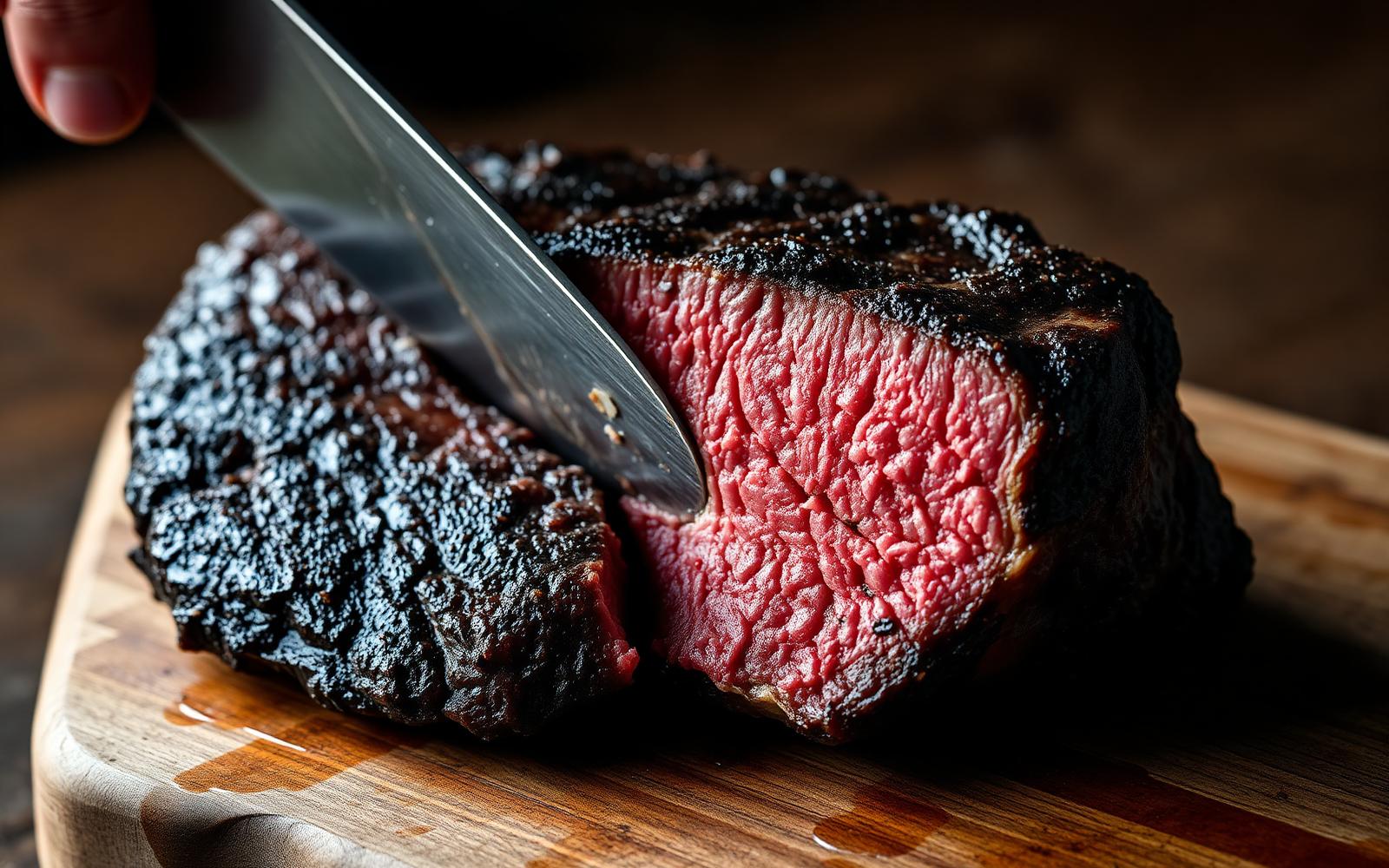
Dry-Aged vs Wet-Aged Beef: What Your Butcher Wishes You Knew
Choosing the right cut of beef can be a delicious adventure, but when terms like "dry-aged" and "wet-aged" enter the conversation, it can become perplexing. This article, drawing insights from butcher shop FAQs and industry resources, will demystify these two popular aging methods.
The Aging Processes
Dry Aging
Dry aging is a traditional process where large cuts of beef are hung in a controlled, refrigerated environment for 14 to 60 days, sometimes longer.
- Moisture Loss: Up to 25% of the meat's moisture evaporates, concentrating the beefy flavor.
- Enzyme Action: Natural enzymes break down muscle fibers, resulting in a more tender product.
- Flavor Development: Controlled oxidation creates complex, nutty, sometimes cheesy flavors.
Wet Aging
Wet aging is a modern, widely used technique. Cuts are vacuum-sealed in their own juices shortly after butchering and refrigerated for 4 to 10 days.
- No Moisture Loss: The vacuum seal prevents evaporation.
- Enzyme Action: Enzymes tenderize the meat by breaking down connective tissues.
- Flavor: Milder, cleaner, sometimes described as "bloody" compared to dry-aged.
Flavor and Texture
- Dry-Aged: Intense, concentrated beef flavor with nutty, earthy notes. Exceptionally tender, almost buttery.
- Wet-Aged: Classic, fresh beef flavor. Juicy, tender, and less intense than dry-aged.
Cost Considerations
Dry-aged beef commands a higher price due to weight loss during aging, longer aging time, specialized equipment, and additional labor for trimming. Wet aging is faster and more economical.
Food Safety Basics
Both methods are safe when conducted by experienced professionals under controlled conditions. The dried exterior of dry-aged beef is always trimmed away before sale. Vacuum sealing in wet aging prevents spoilage bacteria.
Ordering with Confidence
- Know your preference — intense/nutty vs classic/fresh.
- Consider your budget.
- Ask about aging periods.
- Discuss cooking methods with your butcher.
Takeaway
Both dry-aged and wet-aged beef offer unique culinary experiences. Understanding these processes empowers you to make informed choices and savor the rich diversity your local butcher shop offers.